Being separated from a child can affect a father in ways that are difficult to explain. The pain does not come only from missing birthdays, school events, holidays, or ordinary conversations. It also comes from feeling that an essential part of his identity has been taken away.
For many fathers, parenthood becomes a central source of meaning. Their daily decisions, future plans, and sense of purpose begin to revolve around their children. When access is restricted or the relationship is damaged by conflict between adults, a father may experience grief, anger, helplessness, and deep emotional isolation.
This type of loss is especially painful because the child is still alive. The father knows that his child is growing, changing, and forming memories, but he may not be present to witness those moments. He may wonder what the child has been told, whether the child still feels connected to him, and whether the distance will become permanent.
Over time, exclusion can damage a father’s confidence. He may begin to question his worth as a parent, even when the separation was not his choice. Repeated court hearings, tense communication, unanswered messages, and limited contact can make him feel powerless. Some fathers withdraw emotionally because remaining hopeful becomes exhausting. Others become consumed by the struggle and find it difficult to focus on work, relationships, or their own wellbeing.
The emotional strain can also produce resentment. A father may feel that he is being judged only through the breakdown of his relationship with the other parent rather than through the love and effort he has shown his child. When every attempt to remain involved becomes another conflict, he may feel as though his role has been reduced to something that others can approve, limit, or remove.
Children can also be affected by this separation. When they lose consistent contact with a loving parent, they may experience confusion, sadness, guilt, or divided loyalty. Protecting a child should therefore include protecting healthy relationships with both parents whenever it is safe and appropriate.
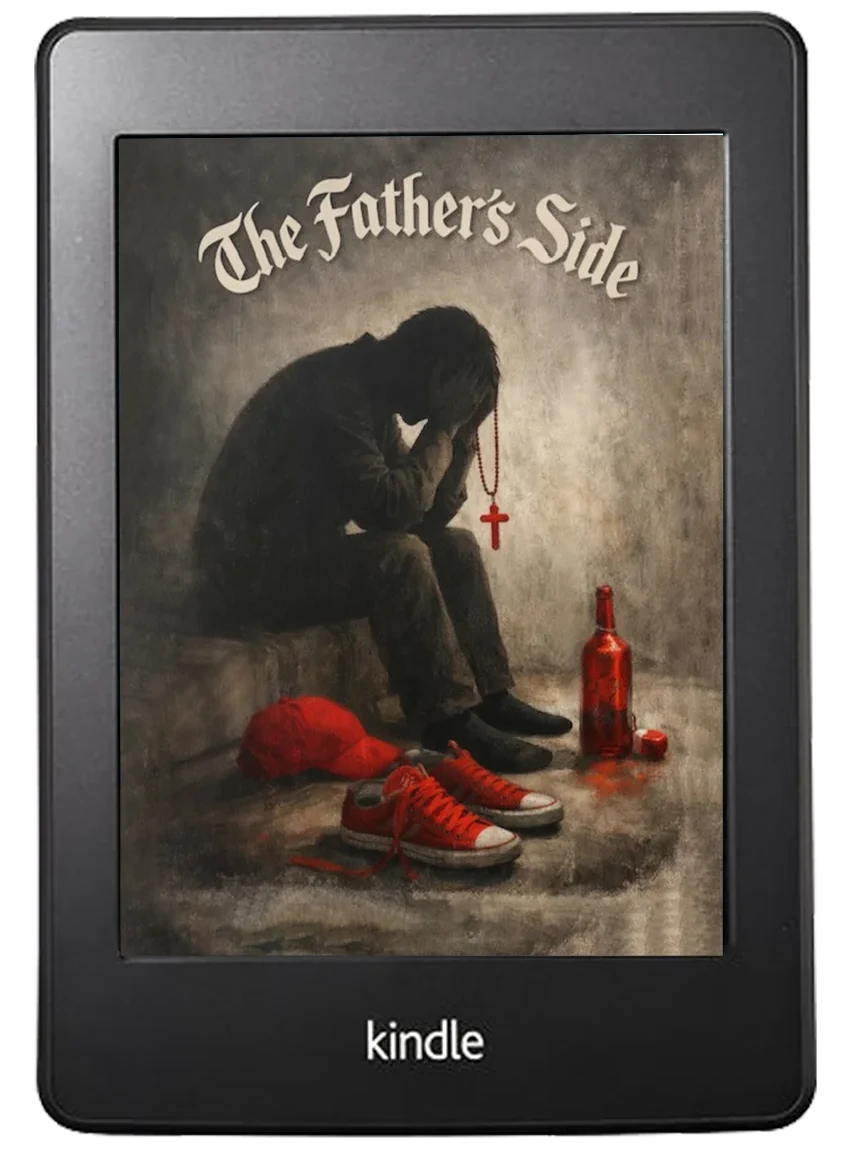
The Father’s Side by Jessie J. Page presents an honest account of fatherhood from a perspective that is often overlooked. The book explores young parenthood, family pressure, strained relationships, legal conflict, personal mistakes, and the determination to remain connected to one’s children.
Rather than presenting fathers as perfect, The Father’s Side shows them as human beings who can feel fear, regret, love, and emotional pain. It gives a voice to fathers who have felt pushed aside while still trying to remain present.
For readers seeking a personal story about responsibility, family conflict, and the emotional cost of losing time with a child, The Father’s Side offers a direct and deeply personal perspective.